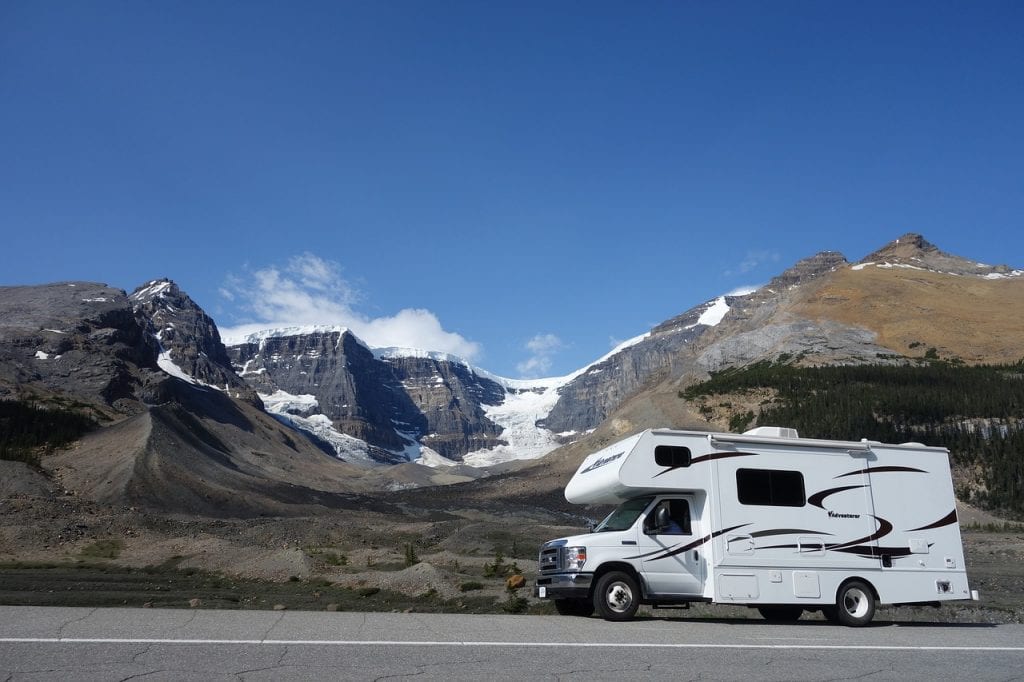
 Are you ready to start planning for your spring and summer camping trips? A few months ago we showed you how to winterize your RV to get ready for the colder months. Now, we'd like to share our best tips for de-winterizing your RV, so that you can be on the way for your next adventure.
Tips for De-Winterize Your RV
- First, turn the valve for the front water tank off.
- Fill the water tank 1/3 full with fresh water.
- Take the hot water plug and put it into hot water tank. Need a hot water plug? Hot water plugs are available at Louie’s Ace Hardware.
- Use a 16-inch socket to tighten hot water tank. Make sure that you don’t over tighten so that it does not pull the threads of hot water tank. 16 inch sockets are also available in our store.
- Now, you can go inside your RV and fill the water tanks there. Locate the water pump and check the lines to make sure there’s no leaks.
- Turn the water pump on. Once water pump builds pressure it’ll shut off.
- Now, turn on one of taps. Let it run until the pink anti-freeze runs out, and nothing but water comes out.
- Move from the kitchen and drain all of the other water sources in the trailer including the bathroom and bathtub.
- If you have an outdoor shower, go outside to fill its tank. The shower is usually located on the outside of the RV.
- Once you're done pumping anti-freeze, you can fill the hot water tank with water. First, find the hot water bypass valve and turn it. Let it run continuous until water tank fills with water.
Before you go out for a trip, make sure you check your RV for gaps, cracks, and tears. You’ll want to fix these before the season starts to ensure a safe and enjoyable experience.
Happy Camping!
With winter upon us, our homes are much colder and our electricity bills are skyrocketing. Turning up the heater is the first thing we do as soon as we feel the cold, but there are other alternatives. If you invest in the appropriate window coverings, you won’t have to run the heater as often and will save a bunch of money. Although, purchasing blinds can require a large upfront payment, you are making an investment in your home and it will pay off.
Do Window Coverings Really Work?
Of course it does! Windows are the greatest source of cold into and warmth out of your house. It has been said that windows account for 40% of heat loss in homes. You spend all this money on a heater, just to lose almost half of it to the outside. Window coverings wouldn’t allow this loss to occur. If you are able to trap a layer of air in between blinds and the window, the heat won’t be able to escape and cold won’t be able to enter.
How to Make the Most of Your Blinds
Making the most of the newest addition to your home is actually quite simple. The best way to control the temperature in your home without touching the thermostat is to time the opening and closing of your blinds. During the day, you are going to want to open the blinds to let in all the sunlight and warmth. However, when dusk falls, close the blinds to keep the natural heat inside and the cold out.
read this blog
The Right Window Coverings For You
Because every home and customer is different, there is not a one-size-fits-all window covering. The perfect window covering for you depends on the style you are looking for, the size of your windows, and the cold protection you desire. Louie’s Ace Hardware offers a wide variety of mini-blinds and basic rollers to fit any need. In addition, at Louie’s, you are able to special order products from Hunter Douglas. Whatever your style, we have you covered!
For other home projects, we also offer ACE hardware rentals if needed. Contact us today!
After the summer fun is done and the last camping day of fall has passed, it’s time to start thinking about winterizing your RV. Winterizing your RV may seem like a daunting task. But at Louie’s Ace Home Center, we have everything you need to get the job done. If you are staying in your RV, you are going to want to keep your water lines functional. Be sure to wrap your lines with foil and open your faucets slightly if you are planning to stay in the RV. If you are storing it, follow these simple steps to winterize your RV.
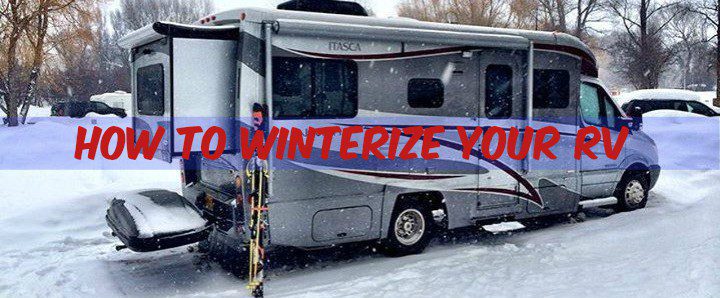
- Mind the water lines: You will need to drain and dry your water lines before storage. How do you do this? First, open the “petcock” and allow everything to drain except the water heater. What’s the petcock? The petcock is a small valve used for draining. It’s usually located by the water tank.
- Drain the holding tanks and open the faucets: Flush both tanks simultaneously. Some RVs come with a built-in tank system. If yours doesn’t, clean your tanks with a wand. Take the refuse to a dump station. Toilet, shower, sinks, open them all to winterize your RV. Flush the toilet until you are sure all the water has emptied out.
- Blow out the lines and seal them up: Purchase a compressed air adapter or blowout plug. Attach it to the water intake fitting and use a standard air compressor (like the ones you use to inflate the tires on your car) to blow out your water lines. This gets rid of excess water and prevents the dilution of your anti-freeze. Do this at a maximum of 50 psi. Replace your caps, close the faucets, and close the petcock. As a reminder, the petcock is the valve you opened to drain your water in the first place.
- Detach the compressor and add anti-freeze to your lines: Make sure to detach the air compressor. This is an important step! You can add pink RV antifreeze from the inside with a hand pump from outside. You can also choose whether or not you want to use a bypass (note: bypasses require more anti-freeze). Do not drain the water heater before you have added your anti-freeze. You will use 2 to 3 gallons of anti-freeze. If you can’t bypass your water heater, you will need 6 to 10 gallons. After the anti-freeze is in, turn on your fresh water pump and let it run. This video demonstrates this process thoroughly.
- Turn on your faucets: Turn on the faucets and test the systems until they run pink. That’s how you know the anti-freeze has filled up your lines.
- Don’t forget about other appliances or to re-connect your lines: Toilets, washing machines, icemakers, and showers need anti-freeze too. Make sure they have anti-freeze to winterize an RV. You will drain your water heater last. Take it out of the anti-freeze jug and reconnect it to the fresh water tank.
To fully winterize your RV, be sure to remove any perishables, laundry, trash, and valuable items. Fix anything that is broken as it will make it easier to use the RV when its time. Cover all your vents and holes so pests don’t see your winterized RV as a place to get warm. Cover your RV with an RV cover, and don’t forget your tires, too. Some people lift their RVs to take the pressure off the tires as well.
We hope these tips help winterize your RV. Visit Louie’s Ace Home Center for all of your RV supplies. Have a great winter!